
Japanese terrariums, renowned for their meticulous aesthetics and cultural significance, demand careful consideration of drainage. Proper drainage is paramount for maintaining the health and vibrancy of the plants within these miniature ecosystems. This guide delves into the critical role of drainage layers, exploring the best materials, optimal design, and essential maintenance techniques.
From natural stones to specialized inorganic materials, a wide array of options exists for creating a thriving drainage layer. Understanding the nuances of permeability, drainage capacity, and visual appeal is key to crafting a Japanese terrarium that not only thrives but also showcases a harmonious blend of form and function.
Introduction to Japanese Terrariums
Japanese terrariums, or shakkei, represent a unique blend of aesthetics and cultural values. More than just miniature gardens, they are meticulously crafted miniature landscapes that evoke a sense of tranquility and connection with nature. They often feature elements inspired by traditional Japanese gardens, emphasizing natural forms, simplicity, and a profound appreciation for the beauty of imperfection.The key to a successful Japanese terrarium lies in the careful selection and arrangement of miniature elements, mirroring the principles of wabi-sabi, a Japanese aesthetic philosophy that embraces the beauty of impermanence, asymmetry, and the natural patina of time.
This philosophy translates into the intentional use of weathered materials, muted colors, and a focus on textures that evoke the feeling of the outdoors.
Key Elements of Japanese Terrariums
Japanese terrariums, unlike other styles, emphasize a more deliberate and symbolic approach to landscape design. The focus is on replicating a miniature natural scene, often with carefully chosen elements. These include miniature rocks, meticulously placed to represent mountains or islands, and meticulously selected plants, often low-growing and naturally occurring varieties that evoke a sense of wildness. Water features, if included, are often stylized to represent a stream or pond, further enhancing the natural ambiance.
Types of Japanese Terrariums
Various types of Japanese terrariums exist, each with its own unique character and aesthetic. One common type is the rock garden, emphasizing the arrangement of rocks to suggest mountains or hills. Another type is the forest, showcasing a miniature ecosystem with miniature trees and plants arranged to evoke a sense of depth and tranquility. The mountain style focuses on showcasing a miniature mountainous landscape with miniature trees and shrubs placed in a carefully calculated arrangement.
A fourth style, the water garden, recreates a tranquil water feature with miniature streams and ponds, complete with stylized rocks and plants. These styles, while sharing the core principles of shakkei, differ in their specific focal points.
Comparison with Other Terrarium Styles
| Feature | Japanese Terrarium | Contemporary Terrarium | Tropical Terrarium |
|---|---|---|---|
| Aesthetic | Emphasis on natural forms, wabi-sabi, asymmetry, and muted colors. | Modern and geometric designs, vibrant colors, and a focus on bold shapes. | Focus on tropical plants, vibrant colors, and a lush, dense environment. |
| Plants | Low-growing, natural varieties, often native to Japan. | Variety of plants, often including succulents, air plants, and unusual species. | Tropical and subtropical plants, often requiring specific humidity and light conditions. |
| Materials | Natural materials like rocks, driftwood, and sand, reflecting the wabi-sabi philosophy. | Variety of materials, including glass, wood, and resin, often incorporated for design and visual appeal. | Natural materials like wood and stone, but often with added elements like gravel or colored sand. |
| Overall Impression | Tranquil, minimalist, and symbolic, emphasizing the beauty of imperfection and the passage of time. | Bold, modern, and visually striking. | Vibrant, lush, and evokes a sense of tropical escapism. |
This table provides a concise comparison of Japanese terrariums with other styles, highlighting the key distinctions in their aesthetics, plant selection, materials, and overall impression.
Importance of Drainage in Terrariums
Proper drainage is paramount in Japanese terrariums, mimicking the natural environment while safeguarding delicate plant life. Neglecting drainage can lead to disastrous consequences, rapidly compromising plant health and potentially rendering the meticulously crafted microcosm uninhabitable. This critical aspect ensures the longevity and vibrancy of the miniature ecosystem.A well-drained terrarium creates a stable environment where roots receive adequate oxygen and are shielded from waterlogged conditions.
This, in turn, promotes healthy root growth and prevents the proliferation of harmful fungi and bacteria. Understanding the intricacies of drainage is crucial for any enthusiast seeking to cultivate thriving miniature landscapes.
Consequences of Improper Drainage
Insufficient drainage in terrariums can result in a cascade of detrimental effects. Waterlogging, a common issue stemming from inadequate drainage, suffocates roots, hindering their ability to absorb essential nutrients and oxygen. This compromised root system becomes susceptible to root rot, a fungal disease that rapidly spreads, leading to the decline and eventual death of the plant. The detrimental effects of waterlogging can be observed in a multitude of terrarium settings, causing widespread plant damage and hindering the desired aesthetic outcome.
Impact on Plant Health and Longevity
The health and lifespan of plants within a terrarium are directly correlated with the efficacy of the drainage system. Adequate drainage allows for optimal oxygen circulation around the roots, fostering healthy root growth and supporting the plant’s overall vitality. Conversely, poorly drained terrariums create an environment ripe for root rot, which can quickly spread throughout the ecosystem, impacting the entire collection of plants.
This vulnerability to root rot underscores the critical need for effective drainage. Plants housed in well-drained terrariums typically exhibit more robust growth and a longer lifespan, displaying vibrant foliage and a healthy, thriving appearance.
Suitable Materials for Drainage Layers
The selection of drainage materials plays a pivotal role in ensuring optimal drainage within a terrarium. A well-designed drainage layer prevents water from accumulating around the roots, allowing for proper aeration and nutrient absorption. Various materials are suitable for this crucial function.
- Gravel: Crushed gravel, often found in various sizes, is a common and effective drainage material. It provides excellent aeration and drainage, allowing excess water to readily drain away from the root zone. A layer of gravel ensures the roots are not submerged in water, fostering healthy growth and preventing waterlogging.
- Small Stones/Pebbles: Similar to gravel, small stones or pebbles act as effective drainage agents. Their porous nature promotes water drainage, minimizing the risk of water accumulation and ensuring proper aeration around the roots. Stones or pebbles also contribute to the aesthetic appeal of the terrarium.
- Pottery shards/broken pieces: These recycled materials provide excellent drainage, preventing the buildup of stagnant water and promoting optimal root development. Their porous nature allows for efficient water drainage, safeguarding the plants from the harmful effects of waterlogging. Broken pottery pieces also add a unique texture to the terrarium.
- Activated charcoal: A unique option, activated charcoal effectively absorbs excess moisture, preventing waterlogging and contributing to a healthy microclimate within the terrarium. It also acts as a natural filter, improving the water quality within the environment. Activated charcoal can be beneficial for maintaining the stability of the environment.
Choosing the right material ensures that the terrarium environment remains optimal for the specific plants within, thereby contributing to their longevity.
Choosing the Right Drainage Layer
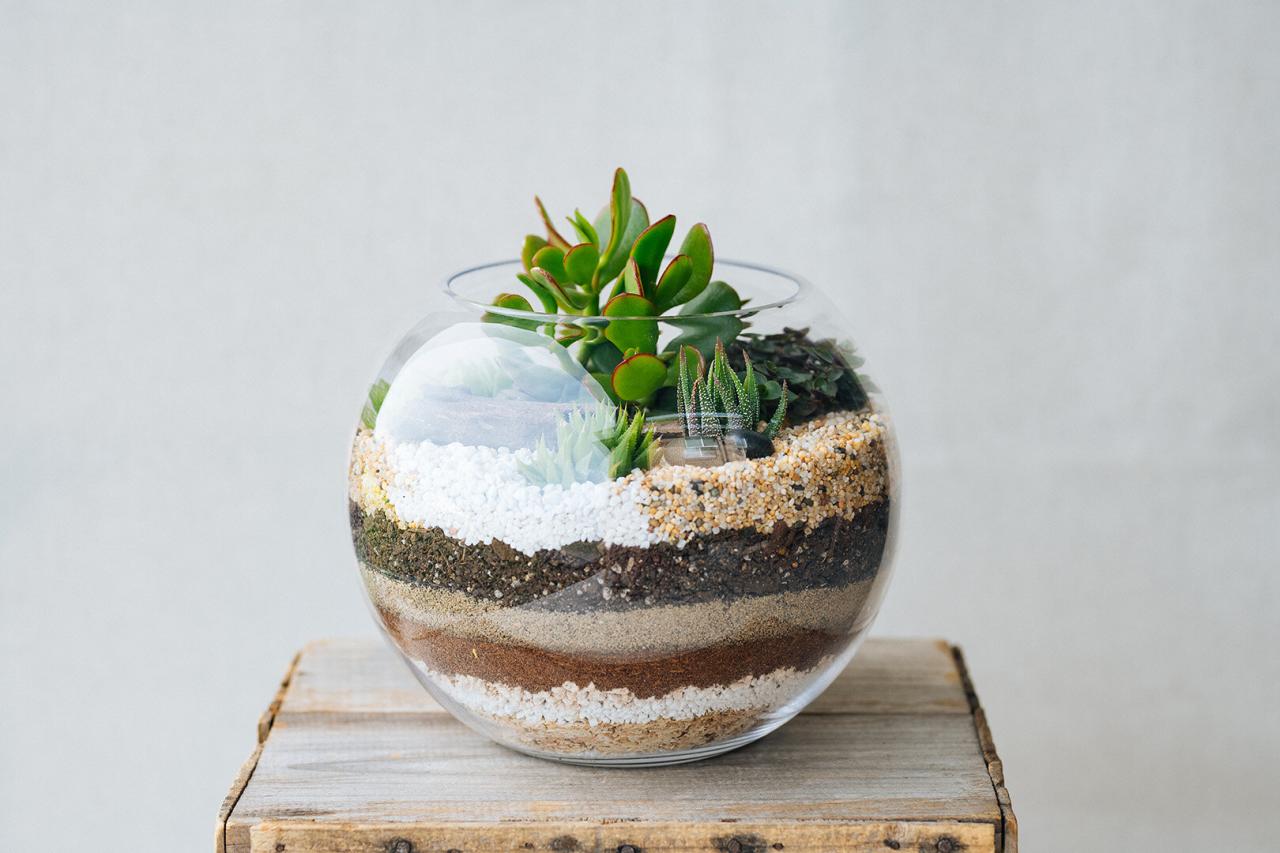
Selecting the optimal drainage layer is crucial for a thriving Japanese terrarium. Proper drainage prevents waterlogging, a common enemy of delicate miniature ecosystems. A well-structured drainage layer promotes healthy root development and minimizes the risk of fungal diseases, ensuring the longevity and aesthetic appeal of the terrarium.
Common Drainage Materials
A variety of materials can serve as drainage layers, each with its own set of advantages and disadvantages. Careful consideration of these factors is essential for creating a balanced and healthy miniature environment.
- Gravel and Pebbles: These are widely used due to their affordability and availability. Different sizes offer varying levels of drainage and aesthetic appeal. Small gravels are often preferred for finer terrariums, while larger stones provide better drainage for more robust setups.
- Akadama Clay: This volcanic clay is highly regarded for its water retention and aeration properties. It’s an excellent choice for terrariums that require a balance between drainage and moisture retention. Akadama’s porous nature helps prevent waterlogging, while still providing a hospitable environment for the roots.
- Potshards: Pieces of broken pottery, or potshards, are another effective drainage material. Their porous nature allows for excellent drainage, while their inherent structure also aids in aeration and moisture regulation. However, the aesthetic may not suit all terrarium styles.
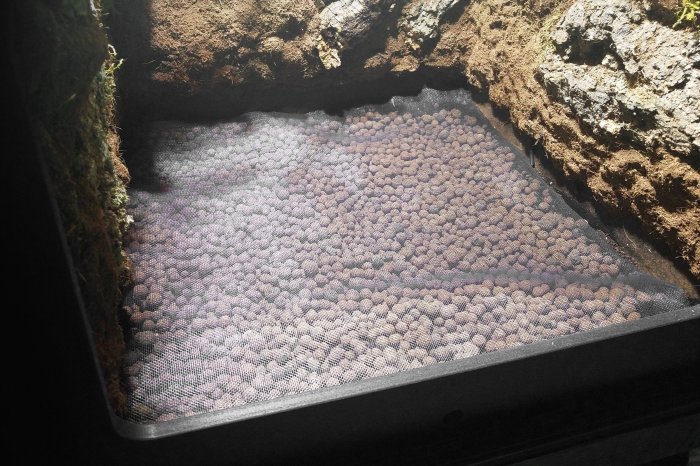
- Expanded Clay Pebbles: These lightweight, porous materials offer exceptional drainage and aeration. They are inert, meaning they won’t alter the pH of the soil or interact chemically with the plants, making them a safe choice for a wide range of terrarium plants. Their lightweight nature also contributes to a more stable overall structure.
Comparing Drainage Materials
The optimal drainage material will depend on the specific terrarium design, the types of plants, and the desired aesthetic.
| Drainage Material | Permeability | Drainage Capacity | Pros | Cons |
|---|---|---|---|---|
| Gravel/Pebbles | High | High | Affordable, readily available, various sizes | Can be visually less appealing in some setups |
| Akadama Clay | Medium | Medium | Excellent water retention, good aeration | May not drain as quickly as other materials |
| Potshards | High | High | Excellent drainage, adds visual interest in some cases | Pot shards can vary in size and shape, requiring careful selection |
| Expanded Clay Pebbles | Very High | Very High | Exceptional drainage, inert, lightweight | Can be slightly more expensive than gravel |
Factors to Consider When Selecting a Drainage Layer
The choice of drainage material should be tailored to the specific needs of the terrarium. Consider these key factors:
- Plant Requirements: Some plants prefer well-drained conditions, while others thrive in slightly more humid environments. Understanding the specific water needs of the chosen plants is critical.
- Terrarium Size and Shape: Larger terrariums will require a more substantial drainage layer to prevent waterlogging. The shape of the terrarium will also affect the suitability of different drainage materials.
- Aesthetic Considerations: The appearance of the drainage layer is an important factor in the overall aesthetic of the terrarium. The chosen material should complement the design and style of the terrarium.
- Budget: Different drainage materials have varying costs. A balance between effectiveness and affordability is essential.
Designing the Drainage Layer
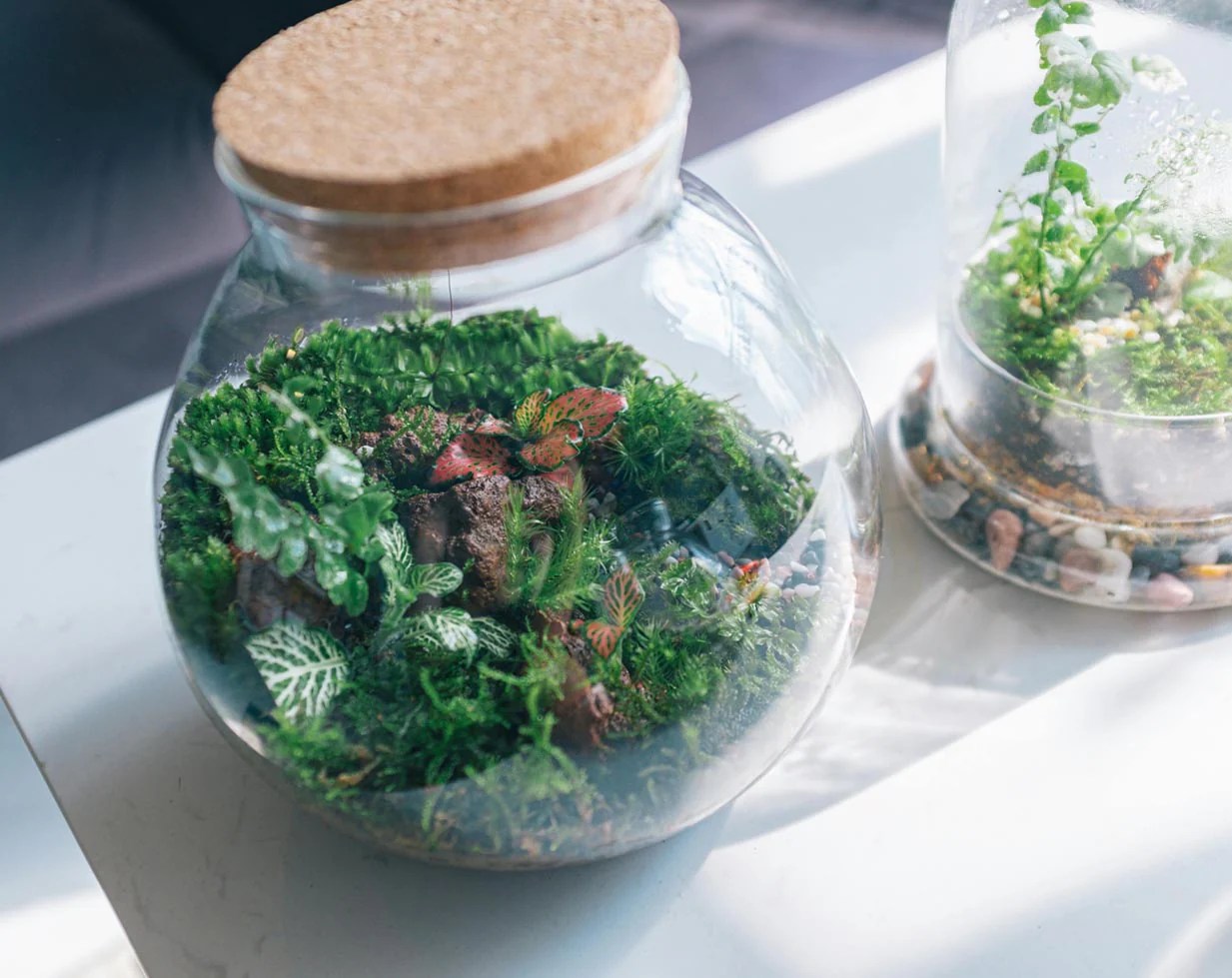
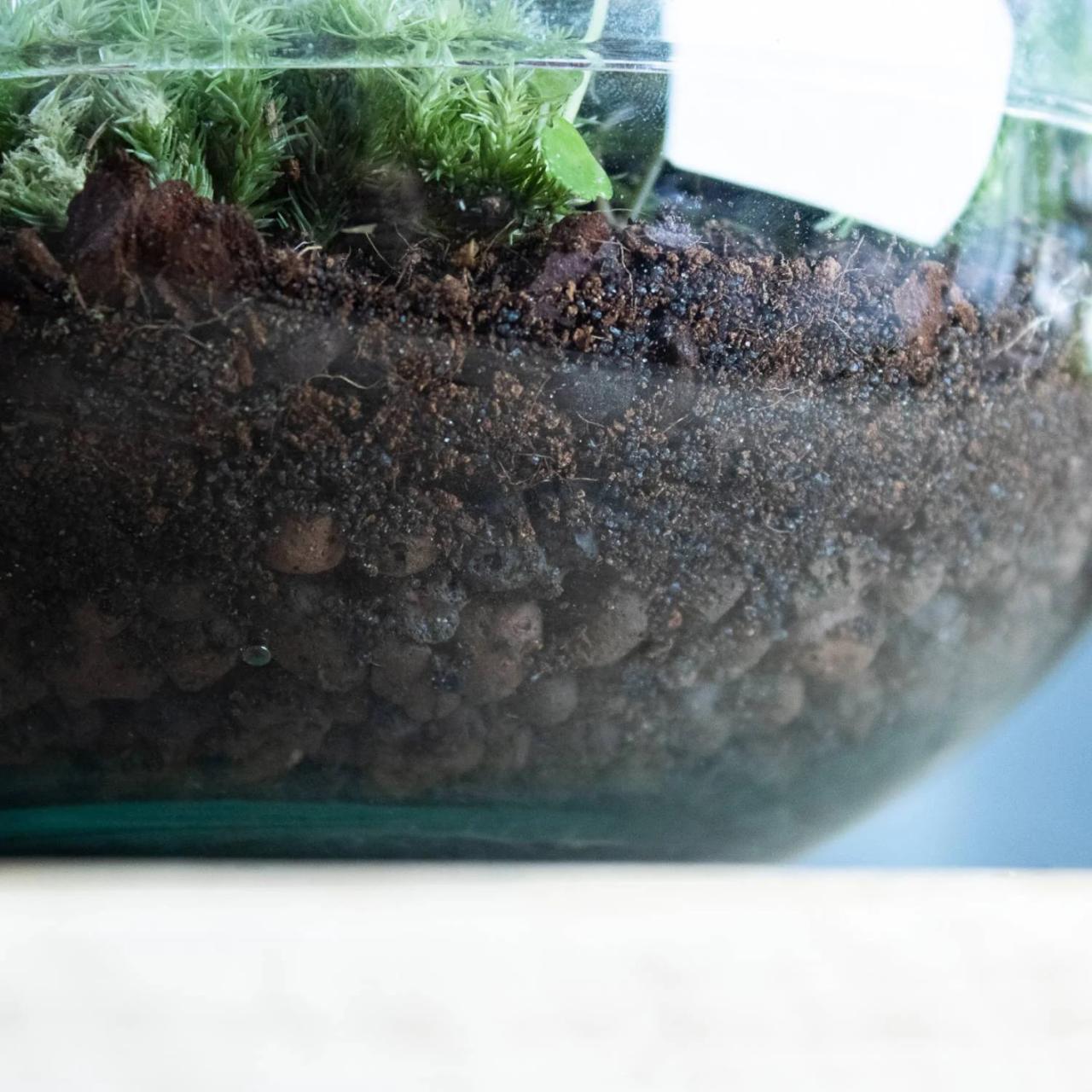
Creating a robust and functional drainage layer is critical to the success of any Japanese terrarium. A well-designed layer prevents waterlogging, a common cause of root rot and fungal issues, ensuring the delicate ecosystem thrives. Proper drainage also promotes optimal aeration, crucial for healthy plant growth within the confined space of the terrarium.A meticulous approach to drainage layer design is essential to establishing a healthy and thriving miniature ecosystem.
The optimal thickness and proper materials are crucial to achieving this goal.
Optimal Thickness and Depth
The ideal thickness for a drainage layer varies based on the container size and the type of plants being cultivated. A general guideline is to aim for a layer roughly 1-2 inches (2.5-5cm) deep. This depth offers adequate drainage capacity while not consuming too much valuable growing space. Using a thicker layer in a larger container will ensure sufficient drainage without compromising the growing medium.
Conversely, a thinner layer in a smaller container can still be effective, but may require more careful monitoring of watering frequency.
Creating a Uniform Drainage Layer
Ensuring a uniform drainage layer is vital for proper water flow. Uneven layers can lead to localized water pooling, hindering drainage and potentially causing damage to delicate plant roots. Using a wide, flat-bottomed container and a consistent, granular material for the drainage layer is recommended. Carefully pour the material into the container, ensuring even distribution. Tapping the container gently after each layer addition can help settle the material and minimize air pockets.
For added consistency, use a leveled tool like a ruler or a flat piece of wood to ensure a uniform depth throughout the container.
Spacing Between Drainage Material and Container Base
Proper spacing between the drainage material and the container’s base is equally important. This space allows for adequate drainage and prevents the drainage material from compressing against the container walls, potentially impeding water flow. A minimum of a quarter-inch (0.6cm) gap is generally recommended. This gap will prevent any pressure from being applied directly to the sides of the container, and will help maintain the structural integrity of the terrarium.
Avoiding Air Pockets and Gaps
Air pockets and gaps in the drainage layer can create uneven water flow and can result in stagnant water. To avoid this, thoroughly compact the drainage material using a firm hand or a suitable tool to settle the particles and eliminate any air pockets. This ensures water flows freely through the drainage layer without encountering obstructions. A gentle, consistent tapping motion or light pressure with a leveled tool, such as a small, flat stone, will minimize the risk of air pockets.
Carefully inspect the layer to identify any gaps and promptly fill them with additional drainage material.
Materials for Drainage Layers in Japanese Terrariums
Japanese terrariums, prized for their miniature ecosystems, demand meticulous attention to detail, particularly in the drainage layer. A well-constructed drainage system prevents waterlogging, a common enemy of plant health, and ensures the longevity of the miniature landscape. Proper drainage allows for optimal oxygen circulation, crucial for root development and overall terrarium vitality.Choosing the right drainage materials is critical.
The selection process should consider not only the functional aspects of drainage but also the aesthetic integration with the terrarium’s overall design. Natural materials offer a harmonious blend with the miniature landscape, while inorganic options provide a versatile palette for visual appeal. Decorative materials add a layer of artistic expression, further enhancing the beauty of the miniature ecosystem.
Natural Drainage Materials
Natural materials, sourced from the earth, offer a beautiful and eco-friendly choice for drainage. These materials often possess inherent textures and colors that seamlessly integrate into the aesthetic of a Japanese terrarium.
- Gravel: Small, rounded river stones, or gravel, are excellent drainage materials, allowing water to readily permeate the layer. The natural variations in color and texture provide a visually appealing base for the terrarium’s design.
- Crushed Granite: Crushed granite offers a slightly coarser texture than gravel, providing similar drainage capabilities. Its grainy appearance can add a unique aesthetic dimension to the terrarium.
- Akadama Clay: This Japanese clay is prized for its ability to retain moisture while still providing excellent drainage. Its dark reddish-brown hue can create a rich and earthy base for the terrarium.
- Pottery shards: Broken pieces of pottery, especially those with a textured or glazed surface, can add visual interest and act as a drainage layer.
- Small pebbles and stones: These natural materials, carefully selected for size and color, can contribute to a captivating miniature landscape. The variety of shapes and colors creates an inviting and dynamic drainage layer.
Inorganic Drainage Materials
Inorganic materials offer a wider range of options for drainage layers in Japanese terrariums. Their consistent size and texture allow for greater control over the terrarium’s design.
- Expanded Clay Pebbles: These lightweight, porous inorganic materials are readily available in various colors and sizes, making them highly versatile. They provide excellent drainage and aeration for the plants.
- Small Rocks: Specific types of small rocks, chosen for their aesthetic appeal, can enhance the overall visual presentation of the terrarium. Their shapes and colors can complement the plants and other decorative elements.
- Glass Beads: These offer a unique aesthetic appeal with their translucent quality. They are highly durable and provide excellent drainage.
Decorative Drainage Materials
Beyond their functional role, drainage materials can also serve as decorative elements. The careful selection of materials can significantly impact the visual appeal of the entire terrarium.
- Small, colorful stones: These are ideal for adding pops of color to the drainage layer, enhancing the visual appeal of the terrarium.
- Seashells: Adding small, delicate seashells creates a sense of serenity and tranquility within the miniature ecosystem. Their subtle colors and shapes can complement the overall design.
- Small, intricately-shaped pebbles: These can add visual complexity and interest to the drainage layer. Their unique textures and patterns can enhance the artistry of the terrarium.
Drainage Material Comparison
| Material | Visual Aesthetics | Drainage Capability |
|---|---|---|
| Akadama Clay | Dark reddish-brown, earthy | Good drainage, moisture retention |
| Gravel | Natural variations in color and texture | Excellent drainage |
| Expanded Clay Pebbles | Various colors, sizes, lightweight | Excellent drainage, aeration |
| Crushed Granite | Grainy, various shades of gray | Excellent drainage |
| Small Rocks | Various shapes, sizes, colors | Excellent drainage |
Drainage Layer Composition and Placement
Japanese terrariums, prized for their miniature ecosystems, demand meticulous attention to drainage. A well-structured drainage layer prevents waterlogging, a common enemy of healthy plant life, and promotes optimal root growth. This crucial step ensures the longevity and vibrancy of the miniature world you cultivate.A robust drainage layer acts as a buffer, separating the soil from the water, preventing it from becoming waterlogged.
This critical step is paramount for preserving the delicate balance of the terrarium’s microclimate and ensuring the health of the plants. The correct placement and composition of this layer directly impact the success of the entire terrarium setup.
Ideal Layering Sequence
Proper layering ensures efficient water drainage and prevents soil compaction. A multi-layered approach is often the most effective, utilizing materials with varying properties.
- Gravel or Pebbles: The bottom layer should consist of coarse gravel or pebbles, providing excellent drainage and aeration. This layer forms the foundational support for the entire system.
- Activated Carbon (Optional): A thin layer of activated carbon can further enhance drainage and filtration, absorbing impurities and reducing the risk of water discoloration. This step is especially beneficial for terrariums with higher water volumes or sensitive plant species.
- Small Stones or Clay: A middle layer of smaller stones or clay shards provides further drainage and space for air circulation. This intermediate layer helps with water distribution.
- Potting Mix: The top layer is where the actual potting mix for your plants is placed. The composition should be carefully chosen based on the specific plant species.
Correct Placement within the Container
Accurate placement of the drainage layer is crucial for preventing soil mixing and ensuring optimal water drainage.
The drainage layer should fill approximately one-third to one-half of the container’s depth.
This depth allows for ample space for the soil and plant roots while ensuring proper drainage. A properly positioned layer prevents soil from becoming waterlogged and prevents root rot.
Preventing Shifting and Mixing
To maintain the integrity of the drainage layer, several strategies can be employed.
- Secure Placement: Gently press down on the drainage materials to ensure they are firmly in place. Avoid using excessive force, as this could compact the materials and reduce their drainage capacity.
- Layer Separation: Use a thin layer of mesh or screen to separate the drainage materials from the soil, preventing mixing and ensuring a defined boundary between the layers.
- Appropriate Container Size: Select a container that is appropriately sized to accommodate the desired amount of drainage materials without overfilling the container.
Step-by-Step Guide for Assembling the Drainage Layer
- Thoroughly clean the terrarium container.
- Place a layer of coarse gravel or pebbles at the bottom, approximately one-third to one-half of the container’s depth.
- (Optional) Add a thin layer of activated carbon on top of the gravel.
- Layer the smaller stones or clay shards on top of the activated carbon (if used).
- Carefully spread the potting mix over the drainage layers, ensuring a level surface.
- Gently press down on the drainage materials to ensure stability.
- Place the plants within the terrarium, arranging them according to your design.
Drainage Layer Maintenance and Care
Maintaining a healthy Japanese terrarium hinges on diligent care of the drainage layer. A well-maintained drainage layer ensures optimal moisture control, preventing root rot and promoting robust plant growth. Regular inspection and proactive maintenance are key to a thriving miniature ecosystem.Proper drainage layer maintenance is not a one-time task but a continuous process. By understanding the intricacies of inspection, issue resolution, and preventative measures, you can guarantee the longevity and vitality of your terrarium’s environment.
This proactive approach ensures the terrarium remains a vibrant and captivating miniature garden.
Inspection Methods
Regular inspection of the drainage layer is crucial for identifying potential issues early. Visual inspection is the first step, examining the layer for signs of clogging or excessive moisture buildup. Observe the drainage layer’s texture and consistency. Is there any evidence of decomposition or accumulation of debris?
Addressing Drainage Issues
Several factors can compromise the drainage layer’s effectiveness. Compaction, due to prolonged use or overwatering, can significantly reduce pore space. Root growth can also entangle the drainage material, hindering water flow. A build-up of organic matter, such as decaying plant matter, will impede water filtration.
Preventing Drainage Layer Clogging
Preventive measures are crucial to maintain optimal drainage. Avoid overwatering, ensuring the soil in the terrarium has adequate time to dry between waterings. Regularly remove any debris or decaying plant matter that might accumulate on the surface of the drainage layer. By maintaining appropriate watering practices, you can minimize the risk of clogging.
Replacing or Replenishing the Drainage Layer
Occasionally, the drainage layer may require replacement or replenishment. This is often necessary when the layer becomes significantly compacted or when clogging becomes persistent. The process involves carefully removing the existing drainage layer and replacing it with fresh, clean material. Ensure that the new drainage layer’s properties and composition are compatible with the terrarium’s plants and overall design.
Proper drainage layer replacement maintains the terrarium’s structure and functionality.
Drainage Layer and Plant Selection
Choosing the right plants is crucial for the thriving ecosystem of a Japanese terrarium. The selected plants must complement the chosen drainage layer, ensuring proper water retention and aeration, ultimately impacting the overall health and aesthetic appeal of the miniature landscape. A harmonious balance between plant needs and the drainage layer is essential for long-term success.
Impact of Drainage Layer on Plant Choice
The drainage layer significantly influences the types of plants suitable for a Japanese terrarium. A well-designed drainage layer provides the necessary support for proper root development and prevents waterlogging, which can lead to root rot and plant death. Conversely, an inadequate drainage layer may lead to insufficient water retention, causing the plant to wilt and ultimately die. Thus, understanding the drainage requirements of specific plants is paramount for successful terrarium cultivation.
Comparing Drainage Requirements of Different Plant Types
Different plant types have varying water and aeration needs. Succulents, for instance, thrive in well-draining conditions, tolerating infrequent watering and needing ample air circulation around their roots. Conversely, ferns and mosses often require higher humidity and more consistent moisture levels, making them less suited to a drainage layer that is too aggressive in water expulsion. Understanding these nuances is critical for selecting the right plants.
Selecting Plants Suitable for the Chosen Drainage Layer
Careful consideration must be given to the chosen drainage layer when selecting plants. If a layer is primarily composed of coarse materials like gravel, plants that tolerate drier conditions are ideal. Conversely, if the drainage layer includes a peat-based component, plants that prefer consistently moist soil are a better choice. Matching the drainage layer’s properties with the plant’s needs ensures a thriving and balanced terrarium ecosystem.
Plant Drainage Needs Table
| Plant Type | Drainage Layer Preference | Watering Frequency | Comments |
|---|---|---|---|
| Succulents (e.g., Sedum, Echeveria) | Coarse gravel, perlite | Infrequent | Tolerate drought and require excellent drainage. |
| Ferns (e.g., Maidenhair fern, Boston fern) | Coarse gravel with peat moss | Regular | Prefer consistent moisture and humidity. |
| Mosses (e.g., Sphagnum moss, Sheet moss) | Peat moss, vermiculite | High | Require high humidity and consistent moisture. |
| Miniature orchids | Coarse gravel with orchid bark | Moderate | Require well-draining medium with specific moisture needs. |
| Air plants (Tillandsia) | Coarse gravel, bark, or charcoal | Occasional misting | Do not require soil, but benefit from humidity and airflow. |
Visual Representation of Drainage Layers
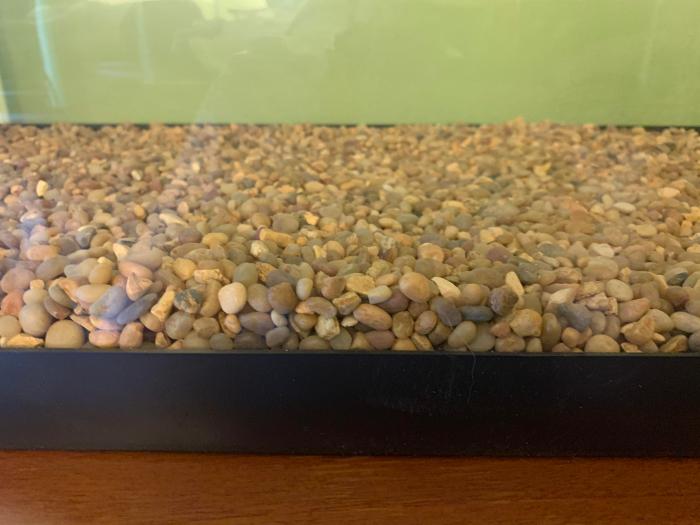
Japanese terrarium design prioritizes visual harmony, making the drainage layer a crucial element in achieving the desired aesthetic. A well-considered drainage layer seamlessly integrates with the overall composition, drawing the eye and enhancing the visual appeal of the miniature landscape. The choice of material, arrangement, and even the subtle coloration of the drainage layer can significantly impact the overall visual narrative of the terrarium.The careful selection and placement of the drainage layer create a balanced and harmonious visual effect within the terrarium.
This element, often overlooked, plays a vital role in the aesthetic appeal, contributing to the overall visual symphony of the miniature garden. By understanding the various aesthetic possibilities, enthusiasts can craft terrariums that are not only functional but also visually captivating.
Aesthetic Considerations for Drainage Layer Appearance
The drainage layer should complement, not clash with, the plants and overall design. Consider the color, texture, and form of the chosen materials. Natural materials like gravels and stones with varied tones and textures offer a sense of depth and dimension, enhancing the visual interest. Alternatively, uniform materials like small, polished stones create a sleek and modern aesthetic.
Visual Descriptions of Drainage Layer Setups
The following examples illustrate different approaches to incorporating drainage layers into Japanese terrariums:
- A layered approach using progressively smaller gravels creates a textured and visually interesting drainage base. Darker, river-washed stones at the bottom transition to lighter, more translucent gravels towards the top, mimicking natural earth layering. This graduated effect adds depth and dimension to the overall terrarium display.
- A single, uniform layer of polished, light-colored stones creates a clean, modern aesthetic. The consistent texture and color provide a striking backdrop for the plants, emphasizing their unique shapes and forms. This approach works well with minimalist designs and plants with delicate foliage.
- A mixture of different types of small, decorative stones and pebbles, including speckled and multicolored varieties, creates a visually vibrant and dynamic drainage layer. The diverse textures and colors create a lively and natural look, complementing the vibrant hues of the plants. This is suitable for terrariums with more intense color schemes.
Role of Drainage Layer in Visual Harmony
The drainage layer, often hidden beneath the soil and plants, significantly impacts the visual balance and harmony of the entire terrarium. A well-designed drainage layer ensures the plants are properly supported and their visual impact is maximized. It helps create a sense of depth, texture, and visual flow. The arrangement of materials within the drainage layer should be thoughtfully considered to complement the visual elements above and enhance the overall composition.
Visual Examples of Drainage Layer Arrangements
| Drainage Layer Arrangement | Description | Visual Example |
|---|---|---|
| Layered Gravels | Darker gravels at the bottom transitioning to lighter ones at the top, mimicking natural earth layering. | Imagine a graduated, dark gray river stone layer transitioning to a lighter, beige, river-washed gravel on top. |
| Uniform Polished Stones | A consistent layer of polished, light-colored stones for a clean and modern aesthetic. | Visualize a smooth, white, polished stone layer creating a simple, sleek background. |
| Mixed Decorative Stones | A mixture of various small, decorative stones and pebbles with different colors and textures. | Envision a vibrant mix of speckled gray stones, small, multicolored pebbles, and translucent quartz pieces. |
End of Discussion
In conclusion, a well-designed drainage layer is the cornerstone of a successful Japanese terrarium. By carefully considering materials, placement, and maintenance, enthusiasts can create a miniature world that fosters plant health and showcases the intricate beauty of Japanese aesthetics. This comprehensive guide provides a detailed roadmap to achieving this delicate balance.
