
Citation Machine, a cornerstone for students and academics, transforms the daunting task of academic citation into a manageable process. The platform provides a user-friendly interface to generate properly formatted references, aligning with diverse citation styles such as MLA, APA, and Chicago. This tool not only saves time but also significantly reduces the potential for errors, ensuring that scholarly work meets the stringent standards of academic integrity. Its core functions are designed to enhance the credibility of research by automating the often complex process of referencing.
From helping students navigate the complexities of referencing to providing a seamless experience, Citation Machine simplifies the process of creating accurate citations. It supports a wide array of source types, including books, articles, and websites. By providing a clear, step-by-step process, it empowers users to focus on their research rather than getting bogged down in formatting details. While the tool offers many advantages, it’s crucial to understand its limitations and the importance of verifying its output.
Understanding the Fundamental Purpose of Citation Machine in Academic Writing Processes
Citation Machine is a critical tool for students and researchers navigating the complexities of academic writing. It simplifies the often-daunting task of creating citations, a process crucial for academic integrity and the proper attribution of sources. By automating citation generation, the tool allows writers to focus on their ideas and arguments rather than getting bogged down in formatting details.
Streamlining the Citation Process
Citation Machine streamlines the often-complex process of academic citation by automating the formatting of references. This automation is particularly beneficial given the variations in citation styles, such as MLA, APA, Chicago, and others. The tool typically guides users through a series of prompts, asking for information like the author, title, publication date, and page numbers. Once this information is entered, Citation Machine generates a citation in the chosen style, ensuring that the formatting adheres to the specific rules of that style. This saves considerable time and reduces the risk of errors that can arise from manually formatting citations. The tool also provides options for creating bibliographies or works cited pages, arranging citations alphabetically, and managing multiple sources efficiently. Its ability to handle various source types—books, journal articles, websites, and more—further enhances its utility. For example, a student researching a complex topic might consult numerous sources, and Citation Machine simplifies the process of creating a correctly formatted citation for each, preventing the student from getting overwhelmed by the formatting specifics. This allows the student to focus on understanding and synthesizing the information.
Core Functions of Citation Machine
Citation Machine offers several core functions that significantly contribute to the credibility and integrity of scholarly work.
- Citation Generation: This is the primary function, and it involves creating citations in the correct format for the chosen style. Accurate citation generation ensures that sources are properly credited, preventing plagiarism and upholding academic honesty. This is crucial for establishing the writer’s credibility and demonstrating a thorough understanding of the subject matter. For instance, a well-formatted citation in APA style provides the reader with all the necessary information to locate the original source, verifying the accuracy of the writer’s claims.
- Style Selection and Customization: Citation Machine allows users to select from a wide range of citation styles (MLA, APA, Chicago, etc.) and customize the citations to meet specific requirements. This flexibility ensures that the citations align with the guidelines of the particular assignment or publication. For example, a student writing a paper for a history class might need to use Chicago style, while a psychology student would likely use APA style. The ability to switch between styles and tailor citations ensures compliance with these different standards.
- Source Management: Many citation tools, including Citation Machine, provide features for managing sources. This often includes the ability to save citations, organize them into projects, and export them in various formats. Effective source management helps writers keep track of their sources, prevent accidental plagiarism, and easily create bibliographies or works cited pages. This organizational capability is particularly helpful for long research projects where numerous sources are consulted.
“Before I started using Citation Machine, I was completely lost with citations. I’d spend hours trying to figure out the right format for each source, and I was constantly worried about making mistakes. My professor always emphasized the importance of proper citations, and I felt so stressed. I remember one paper where I almost lost points because of incorrect APA formatting. Citation Machine changed everything. Now, I can quickly and accurately create citations, and I feel much more confident about my research. It’s saved me so much time and reduced my stress levels significantly.”
Exploring the Advantages and Disadvantages of Employing Citation Machine in Research
Citation Machine, like any technological tool, presents both opportunities and challenges for researchers. While it offers undeniable benefits in streamlining the citation process, understanding its limitations is crucial for producing accurate and academically sound work. A balanced perspective is essential to harness its strengths effectively.
Benefits and Drawbacks of Using Citation Machine
Citation Machine simplifies the often-tedious task of creating citations. However, its effectiveness hinges on careful usage and a fundamental grasp of citation principles.
- Time-Saving: One of the most significant advantages is the considerable time saved. Instead of manually formatting each citation, researchers can input source information and let the tool generate the citation in the desired style (MLA, APA, Chicago, etc.). This is especially valuable when dealing with extensive research papers or multiple sources.
- Error Reduction: Citation Machine minimizes human error. Manual citation is prone to typos, incorrect formatting, and omissions. The automated nature of the tool reduces these risks, leading to more accurate citations. However, users must still verify the generated citations for accuracy.
- Adherence to Specific Citation Guidelines: Citation Machine is designed to conform to various citation styles. It provides templates and formatting rules for different source types, ensuring consistency and compliance with academic standards. This is particularly helpful for students unfamiliar with the intricacies of specific citation styles.
- Limitations and Potential Drawbacks: While beneficial, Citation Machine is not infallible. A primary drawback is its dependence on accurate input. If the source information is incorrect, the generated citation will also be incorrect. Moreover, users may struggle with less common source types or complex citation scenarios, potentially leading to errors. Over-reliance can also hinder the development of critical citation skills.
Comparison of Citation Methods: Automated vs. Manual
The choice between using Citation Machine and manual citation methods depends on individual preferences, experience, and the specific research project. Each approach has distinct advantages and disadvantages.
| Feature | Manual Citation | Citation Machine | Considerations |
|---|---|---|---|
| Time Investment | Time-consuming, especially for large projects. Requires thorough knowledge of citation styles. | Significantly faster, particularly for routine citations. Requires less time spent on formatting. | Consider project scope and time constraints. Automated tools are more efficient for large volumes of citations. |
| Accuracy | Prone to human error, including formatting mistakes and omissions. Requires careful attention to detail. | Relies on accurate input; potential for errors if source information is incorrect. Requires verification of output. | Always double-check the final citations, regardless of the method used. A solid understanding of citation principles is crucial. |
| Learning Curve | Requires in-depth knowledge of citation styles and formatting rules. Involves understanding the nuances of different styles. | Easier to learn and use, especially for beginners. The tool provides guidance and templates. | Consider individual skill level and willingness to learn. Manual methods foster a deeper understanding of citation principles. |
| Flexibility | Offers greater flexibility in handling unusual or complex citation scenarios. Provides full control over formatting. | May struggle with less common source types or complex situations. Formatting is limited to the tool’s capabilities. | For complex projects or unusual sources, manual citation might be preferable. |
Potential Errors from Over-Reliance
Reliance on Citation Machine without a foundational understanding of citation principles can lead to significant errors. For instance, consider a scenario where a student is citing a chapter from an edited book.
The student inputs the book’s title, the chapter title, and the author of the chapter into Citation Machine. However, the student fails to include the editor’s name, which is a crucial piece of information required for most citation styles. Consequently, the generated citation is incomplete and incorrect. The student, lacking a fundamental understanding of what information is required for citing a chapter in an edited book, may not recognize the error and submit a paper with flawed citations. This illustrates the importance of using the tool as a supplement, not a replacement, for a solid understanding of citation rules.
The Step-by-Step Procedure for Generating Citations Using Citation Machine
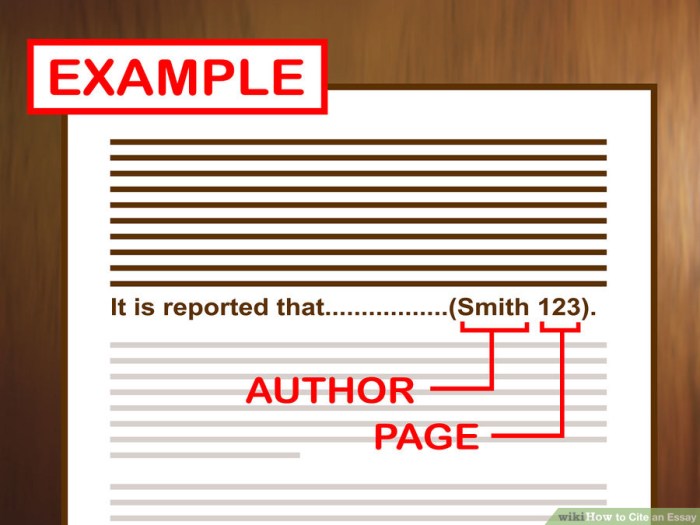
Citation Machine simplifies the often-tedious process of creating citations for academic writing. By automating the formatting, it allows researchers to focus on content and analysis, reducing the risk of errors associated with manual citation creation. Understanding the specific steps involved in using Citation Machine ensures accurate and properly formatted citations, adhering to the requirements of various academic styles.
Inputting Source Information and Style Selection
The first step involves identifying the source type and providing the necessary information. Citation Machine’s interface typically offers options to select the source type from a dropdown menu, including books, journal articles, websites, and others. Once the source type is selected, the user is prompted to input specific details, which vary depending on the source. Following source information input, the user selects the desired citation style (e.g., MLA, APA, Chicago) from a list. This style dictates the formatting of the citation, including punctuation, capitalization, and the order of information. This selection is crucial for ensuring compliance with the specific requirements of the assignment or publication.
Generating and Verifying Citations
After inputting source details and selecting the citation style, Citation Machine generates the citation. This process is usually instantaneous. However, it’s essential to verify the accuracy of the generated citation. While Citation Machine automates the process, errors can occur, particularly if the source information was entered incorrectly. The user should compare the generated citation against the original source to ensure all necessary information is present and correctly formatted. The verification process includes checking for correct spelling, punctuation, and the order of elements within the citation. The user should also compare the citation against style guides (MLA, APA, Chicago) to confirm its accuracy.
Common Source Types and Required Information
Citation Machine supports a wide range of source types. Proper input of information is essential for correct citation generation.
- Books: The information required includes the author’s name, book title, publication year, publisher, and place of publication. For example, a book titled “The History of Rome” by John Smith, published in 2020 by Oxford University Press in Oxford, would require the input of all these details.
- Journal Articles: The user needs the author’s name, article title, journal title, volume and issue number, publication year, and page numbers. For example, a journal article “The Decline of the Roman Empire” by Jane Doe, published in the “Journal of Ancient History,” Volume 10, Issue 2, in 2021, on pages 120-145, necessitates the input of these specifics.
- Websites: For websites, users must provide the website title, article title (if applicable), author or organization, publication or last updated date, and the URL. A website article titled “The Colosseum: A Guide” from the website “Ancient Rome Today,” published in 2022, with the URL www.ancientrometoday.com/colosseum, needs this information.
- Newspaper Articles: Information includes the author’s name, article title, newspaper title, publication date, and page number.
- Other Sources: Citation Machine can handle a variety of other source types, including government documents, conference papers, and personal communications. The required information varies according to the specific source type.
Troubleshooting Common Citation Issues
Users may encounter issues while using Citation Machine. Addressing these problems ensures accurate citations.
- Incorrect Formatting: If the generated citation doesn’t conform to the selected style, review the input information for errors. Incorrect punctuation or capitalization often indicates incorrect data entry.
- Missing Information: If a citation is missing information, such as the publication date or page numbers, it’s necessary to manually add this information. Locate the missing data in the original source and edit the citation accordingly.
- Ambiguous Information: If the source information is unclear, such as an unknown author or date, consult the style guide for guidance. The style guide will specify how to handle such situations.
- Website Issues: If a website URL is unavailable, verify the URL. Check the website’s accessibility and whether the URL has been updated or changed.
- Style Conflicts: Occasionally, the generated citation may contain elements from different citation styles. Review the input and ensure the correct style is selected.
Analyzing the Importance of Accuracy and Verification When Utilizing Citation Machine
Citation Machine, while a valuable tool for streamlining the citation process, is not infallible. Its convenience should never overshadow the critical need for meticulous verification. Relying solely on the tool without cross-checking can lead to significant errors, potentially undermining the credibility of academic work and even resulting in serious academic consequences. Accuracy in citation is paramount, forming the bedrock of academic integrity and responsible scholarship.
Potential Errors in Citation Generation
The potential for errors when using Citation Machine stems from several sources. Incorrect input data, software limitations, and evolving citation style guidelines all contribute to the risk of generating inaccurate citations. These inaccuracies can range from minor formatting discrepancies to more substantial errors that misrepresent the source material.
One primary source of error lies in the information provided by the user. If the user enters incorrect details, such as the author’s name, publication date, or page numbers, the resulting citation will inevitably be flawed. Similarly, the tool may misinterpret complex or ambiguous source information, leading to errors in the citation. Consider a scenario where the source is a chapter within an edited book. If the user incorrectly identifies the book’s editor or the chapter’s title, the citation will be inaccurate.
Software limitations also play a role. Citation Machine, like any software, is programmed with specific algorithms and databases. These may not always perfectly align with the nuances of all citation styles, especially as these styles evolve. The tool might struggle with less common source types, such as government documents, legal cases, or online resources with unusual structures. For instance, the software might fail to correctly format a citation for a complex legal document, leading to an incomplete or misleading representation of the source.
Furthermore, citation styles themselves are dynamic. They are regularly updated by organizations like the Modern Language Association (MLA), the American Psychological Association (APA), and the Chicago Manual of Style. Citation Machine may not always immediately incorporate these updates, resulting in outdated or incorrect citations. The user must be aware of the latest guidelines and ensure the tool is generating citations compliant with the current style requirements.
Best Practices for Ensuring Citation Accuracy
Ensuring the accuracy of citations generated by Citation Machine requires a proactive approach. Implementing a robust verification process is essential to maintain academic integrity and avoid potential pitfalls. The following best practices are crucial for achieving accurate and reliable citations:
- Cross-referencing with Original Sources: Always compare the citation generated by Citation Machine with the original source document. This is the most critical step in the verification process. Verify every detail, including the author’s name, publication date, title, and page numbers. For online sources, check the URL and date of access. This meticulous comparison ensures the accuracy of the citation.
- Checking Formatting: Pay close attention to the formatting of the citation. Ensure that the punctuation, capitalization, italics, and spacing adhere to the specific requirements of the chosen citation style. Even minor formatting errors can detract from the professionalism and credibility of the work.
- Understanding Citation Style Requirements: Familiarize yourself with the specific requirements of the citation style you are using. Different styles have different rules for formatting various source types. Understanding these rules allows you to identify potential errors in the citations generated by the tool.
- Using Multiple Sources for Verification: If possible, consult multiple sources to verify the information. For instance, you could compare the citation generated by Citation Machine with a citation generated by another citation tool or with a style guide. This cross-validation can help identify potential discrepancies.
- Keeping Software Updated: Ensure that you are using the most up-to-date version of Citation Machine. Software updates often include corrections for formatting errors and incorporate the latest changes in citation style guidelines.
Hypothetical Scenario: Consequences of Sole Reliance on Citation Machine
Consider a student, Sarah, writing a research paper on the impact of social media on political discourse. Sarah, overwhelmed by the volume of sources, relies solely on Citation Machine to generate her citations. She inputs the necessary information, but doesn’t bother to verify the generated citations against the original sources.
Sarah cites an article from a prominent academic journal. However, Citation Machine incorrectly attributes the article to a different author with a similar name, and the page numbers are also off. The software also fails to include the full publication details required by the chosen citation style, leaving the reader unable to locate the original source easily.
Unbeknownst to Sarah, the professor is highly knowledgeable in the field and immediately recognizes the errors. The professor suspects plagiarism and academic dishonesty, leading to a meeting with Sarah and the university’s academic integrity committee. Sarah is accused of academic misconduct because of the flawed citations, which misrepresent the sources and potentially give the impression of using someone else’s work. The consequences could range from a failing grade on the paper to suspension or expulsion from the university.
To avoid this outcome, Sarah should have:
- Verified every detail of each citation against the original source.
- Double-checked the formatting of the citations against the chosen citation style guide.
- Consulted multiple sources to confirm the accuracy of the information.
By implementing these steps, Sarah could have avoided the serious consequences of relying solely on Citation Machine without verification, upholding academic integrity and ensuring the accuracy of her research.
Exploring the Advanced Features and Functionalities Offered by Citation Machine
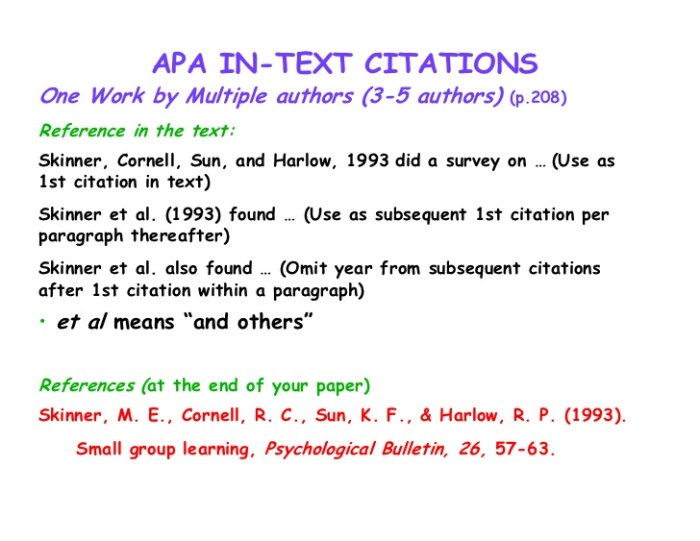
Citation Machine, beyond its core function of generating citations, offers a suite of advanced features designed to streamline the research and writing process. These functionalities aim to enhance user experience by providing tools for organization, collaboration, and integration with other academic resources. The following sections will delve into these advanced features and explore potential areas for future development.
Saving and Managing Citations
Citation Machine allows users to save and organize citations within personal projects. This feature enables researchers to create and maintain a library of cited sources, which can be categorized by project, research paper, or any other relevant criteria. The ability to save citations reduces the need to repeatedly generate the same citations, saving time and minimizing the risk of errors. Users can easily access and modify their saved citations, ensuring accuracy and consistency throughout their work. This is particularly useful for long-term research projects where numerous sources are consulted. Furthermore, the platform often provides options for exporting citation lists in various formats (e.g., .txt, .csv, .docx), facilitating easy sharing and collaboration.
Project Management and Collaboration
Advanced versions of Citation Machine offer project management capabilities, enabling users to organize their research materials and collaborate with others. This can include features such as the ability to create shared projects, allowing multiple users to contribute and edit citations simultaneously. Collaboration tools might also include commenting features, enabling team members to discuss and refine citations. Some platforms integrate with cloud storage services, such as Google Drive or Dropbox, allowing for seamless access to research materials across devices. The project management features contribute to enhanced efficiency and organization, particularly for group projects.
Integration with Other Tools and Services
Citation Machine often integrates with other academic tools and services to enhance its functionality. These integrations can include:
- Plagiarism Checkers: Direct integration with plagiarism detection software allows users to check their work for originality and ensure proper citation of sources. This integration streamlines the process of verifying academic integrity.
- Reference Management Software: Compatibility with reference management software such as Zotero or Mendeley enables users to import and export citations seamlessly, integrating Citation Machine into a broader research workflow.
- Browser Extensions: Browser extensions offer convenient access to citation generation directly from web pages, streamlining the process of citing online sources. This can significantly reduce the time spent on citation generation.
Potential Upgrades and Improvements
To further enhance its utility and user-friendliness, Citation Machine could benefit from several upgrades:
- AI-Powered Citation Suggestions: Implementing AI to analyze text and suggest relevant sources and citations could significantly reduce the manual effort required for research. This would be a game changer.
- Improved Source Recognition: Enhancing the accuracy of source recognition, especially for complex or poorly formatted sources, is crucial.
- Enhanced Collaboration Features: Expanding collaboration features, such as real-time co-editing and version control, would improve teamwork.
- Accessibility Enhancements: Ensuring compliance with accessibility standards would make the tool usable for a wider audience.
- Mobile Application: Development of a mobile application to allow users to generate citations and manage their projects on the go.
User Interface Illustration
The user interface of Citation Machine typically presents a clear and intuitive design. The main components include:
- Input Fields: Prominent input fields allow users to enter source information, such as URLs, book titles, or journal article details.
- Citation Style Selection: A dropdown menu or a set of buttons allows users to select the desired citation style (e.g., MLA, APA, Chicago).
- Citation Preview: A preview area displays the generated citation in the selected style, allowing users to verify its accuracy.
- Source Type Selection: Options to select the source type (e.g., website, book, journal article) help the tool to generate the correct citation format.
- Project Management Area: A section dedicated to saving and organizing citations, allowing users to create and manage projects.
- Help and Support: Easy access to help documentation, tutorials, and customer support.
Comparing Citation Machine with Alternative Citation Tools and Resources
The landscape of academic writing is populated by a variety of citation tools designed to streamline the process of referencing sources. While Citation Machine serves as a popular starting point for many, a deeper understanding of alternative tools is crucial for researchers seeking efficiency, accuracy, and advanced functionalities. This section will delve into several prominent citation management options, comparing their features and assessing their suitability for different academic needs.
Alternative Citation Tools: A Comparative Overview
Several citation tools offer functionalities beyond those of Citation Machine. These tools often integrate directly with word processors, facilitate collaborative research, and provide more sophisticated organizational features.
* Zotero: Zotero is a free, open-source citation management tool. It allows users to collect, organize, cite, and share research. Zotero offers browser extensions that automatically capture citation information from webpages and PDFs. It is particularly strong in its ability to manage large collections of references and collaborate with other researchers.
* Mendeley: Mendeley is another popular reference manager, owned by Elsevier. It combines reference management with a social networking platform for researchers. Mendeley offers similar functionalities to Zotero, including the ability to import citations, generate bibliographies, and collaborate on research projects. It also features a built-in PDF reader and annotation tools.
* EndNote: EndNote is a commercial citation management software that offers advanced features, including the ability to customize citation styles and integrate with a wide range of databases. It is a powerful tool often favored by researchers in specific disciplines. However, it requires a subscription.
* BibTeX/LaTeX: While not a dedicated citation tool in the same way as Zotero or Mendeley, BibTeX and LaTeX are widely used in scientific and technical fields. LaTeX is a document preparation system that allows for highly customized citation and bibliography formatting. BibTeX is a bibliography management tool specifically designed for use with LaTeX.
The choice of tool depends on the user’s specific needs and preferences. While Citation Machine offers basic functionality, these alternatives provide a more comprehensive and often more efficient approach to citation management.
Comparative Table: Citation Machine vs. Alternative Tools
The following table provides a comparative analysis of Citation Machine and some of its prominent alternatives, focusing on key features relevant to researchers.
| Feature | Citation Machine | Zotero | Mendeley | EndNote |
|---|---|---|---|---|
| Ease of Use | Generally easy for basic citations; user-friendly interface. | Moderate learning curve; intuitive interface once familiar. | Relatively easy to learn; user-friendly interface. | Steeper learning curve; requires time to master advanced features. |
| Supported Citation Styles | Supports a wide range of styles, including APA, MLA, Chicago, and more. | Supports a vast array of styles; highly customizable. | Supports a wide range of styles; customizable. | Extensive style support; highly customizable, including the ability to create custom styles. |
| Advanced Features | Limited advanced features; primarily focused on generating citations. | Browser extensions for importing citations, group collaboration, note-taking, and PDF annotation. | PDF reader and annotation, social networking features, group collaboration. | Advanced style customization, integration with databases, advanced search capabilities. |
| Cost | Free with advertisements; premium options available. | Free and open-source. | Free with premium subscription options. | Commercial software; subscription required. |
This table highlights the differences in functionality and complexity among the tools, demonstrating that the more advanced options offer enhanced features for research organization and collaboration.
User Experience: Transitioning to a New Tool
Switching citation tools can be a significant undertaking, but the benefits often outweigh the initial effort.
“I used Citation Machine for years, mainly because it was the first tool I found. However, as my research became more complex, I realized I needed more control and flexibility. I switched to Zotero because of its ability to import citations directly from databases and its excellent collaborative features. The initial learning curve was a bit steep, but the time I saved organizing my references and collaborating with my team made it worth the effort. The ability to automatically generate bibliographies and footnotes within my word processor was a game-changer, especially when dealing with a large number of sources.”
This user’s experience reflects a common pattern: the need for a more robust tool grows as the complexity of the research increases. The shift from a basic citation generator to a more comprehensive reference manager often leads to significant gains in efficiency and organization.
Closing Summary
In essence, Citation Machine serves as a valuable ally in the academic world, simplifying the process of creating citations. While its automation capabilities offer significant benefits in terms of time and accuracy, users must remain vigilant. Verification is key, ensuring that the generated citations accurately reflect the original sources and adhere to the chosen citation style. As technology continues to evolve, citation tools like Citation Machine will undoubtedly adapt to meet the changing needs of scholars, ultimately enhancing the integrity and accessibility of academic research.
